Showing posts with label passata. Show all posts

Wednesday, 21 January 2015

5:2 Fast Day Recipes: Pork and Basil Meatballs with Courgette Spaghetti


My love affair with courgettes continues in my new recipe. I bought a julienne peeler so that I could make the courgette spaghetti that is so popular at the moment. Replacing carbs with courgettes has allowed me to use a bit of meat in this meal, so I've added in some pork meatballs along with a tomato sauce. Although not as indulgent as my usual meatballs (which contain veal and breadcrumbs amongst other tasty ingredients) they hit the spot and this actually feels like a proper meal. Delicious, nutritious and just over half of the days calorie count... Delish! 


Ingredients (Serves 2)

200g lean pork mince. 302 calories
300 ml passata. 75 calories
2 garlic cloves, chopped. 16 calories
2 large courgettes (or 400g), julienned. 71 calories.
1 large shallot (or 40g) chopped. 26 calories.
100g mushrooms, chopped. 28 calories.
Small bunch of basil, roughly chopped. 6 calories.
Low calorie cooking spray. 1 calorie.
Salt and pepper, to taste.

Total calories: 525 

Calories per serving: 263 


Method

Preheat oven to 180 degrees.

Combine the mince and half the basil in a bowl and season to taste. Roll into bon bon sized balls and place in a frying pan, cooking over medium heat until the meatballs are browned on all sides.


The pork will release a bit of fat whilst frying, so that's what we're going to use to soften the veg. Remove the meatballs with a slotted spoon and place in an oven proof dish.

Add the onions to the frying pan, allowing them to soften before adding the mushrooms and garlic. Fry for a further five minutes before adding the passata, scraping the base to pick up all the flavours of the pan.

Pour the sauce mixture over the meatballs and place in the preheated oven. It should take around 15 minutes for the pork to cook through.


Five minutes before serving, heat the low calorie spray in a frying pan and add the courgette spaghetti. Cook until soft and on the verge of browning. 

Serve the spaghetti with the meatballs and scatter the remaining basil on top. Parmasan shavings are always a welcome addition if enough calories have been saved up! 


Monday, 24 November 2014

Lasagne


Lasagne is the perfect comfort food. Ragu, pasta and a béchamel sauce all layered together to create something totally delicious. The secret ingredient in this dish is chicken liver. Even if you think you don't like offal, give them a go anyway. Chopped finely enough they melt into the ragu to produce an undetectable but delectable taste. 


I use dried pasta sheets in this, which seems lazy, but having experimented with homemade fresh pasta  I've found that it is too soft in the finished dish - using dried ensures that the layers stay intact once cooked. Be sure to use egg pasta sheets though as they have a richer flavour than their flour and water counterparts.


Ingredients 

For the ragu

500g lean beef mice
100g chicken livers, finely chopped
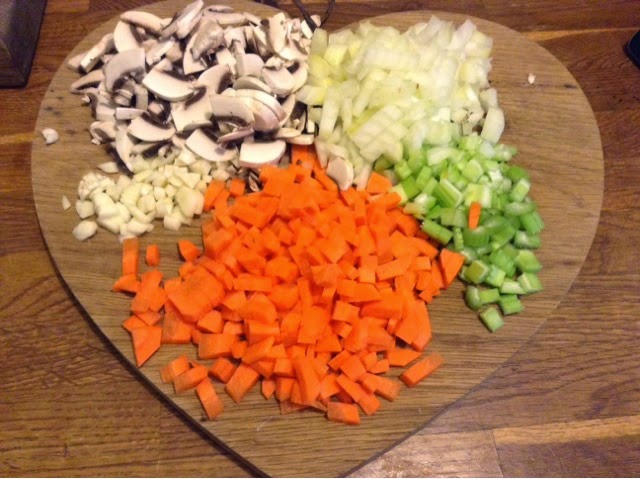
2 carrots, chopped
1 onion, chopped
1 celery stick, finely chopped
100g mushrooms, quartered 
400ml passata 
100ml red wine 
1 tbsp tomato purée 
3 garlic cloves, chopped
2 tbsp oil, to cook
Salt and pepper, to taste


For the béchamel sauce

150g butter
150g flour
600ml whole milk ( you may not need it all)
80g Parmesan cheese, plus extra or top

9 dried lasagne sheets


Method 

Make the ragu first, as this takes the longest to do. Heat the oil in a large casserole dish and add the onion, cooking gently until it is softened (around 10 minutes). Then, add the garlic and cook for a further 2 minutes. 

Next, add the rest of vegetables (and a bit more oil, if needed) and cook for 5 minutes before adding the mince and chicken livers and frying until evenly browned.

Add the passata, red wine and tomato purée and mix everything together before bringing to the boil and then placing it on the lowest heat setting, leaving it to simmer for around 2 hours. Allow to cool before assembling your lasagne.


For the bèchamel sauce

Melt the butter in a sauce pan and then whisk in the flour until there are no lumps. Leave this on the hob for a few minutes to cook the floury taste out of it. Then, whisk in the milk a little at a time until you have a thick, smooth sauce. Stir in the Parmesan cheese and leave to cool.


Pasta sheets

Bring a large pan of salted water to the boil and blanch the sheets in batches of three for around 30 seconds to slightly soften, before placing them on a clean tea towel or kitchen paper.


Assembling the lasagne

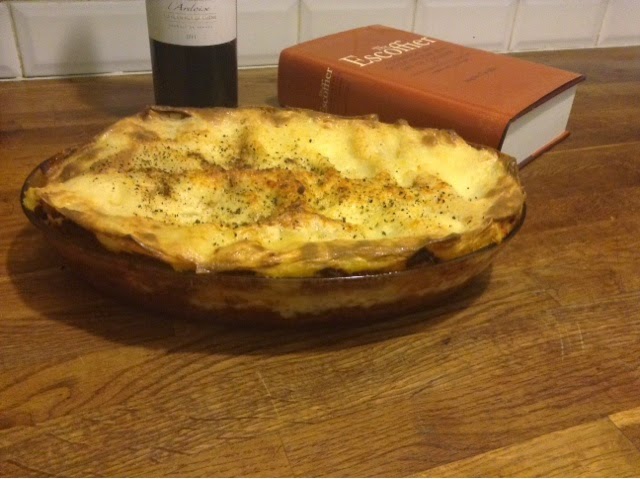
I actually broke my lasagne dish a while ago and haven't got round to replacing it, so just used a pie dish which is a couple of inches deep. The good thing is that it's made of glass, so the layers are visible from the outside.


Grease your dish and start your layers. I do ragu, béchamel and pasta three times before covering the last layer of pasta with the remaining white sauce and scattering over some Parmesan and a few grinds of black pepper. The construction of lasagne is a contentious issue, so build it however you like, but I really do think this way is the tastiest.

Cook at 200 degrees for 30-40 minutes until the lasagne is bubbling and the top is golden and crispy. Leave to stand for 10 minutes and serve with a green salad and some olives. Like most food, lasagne is even better the next day and freezes well before cooking.